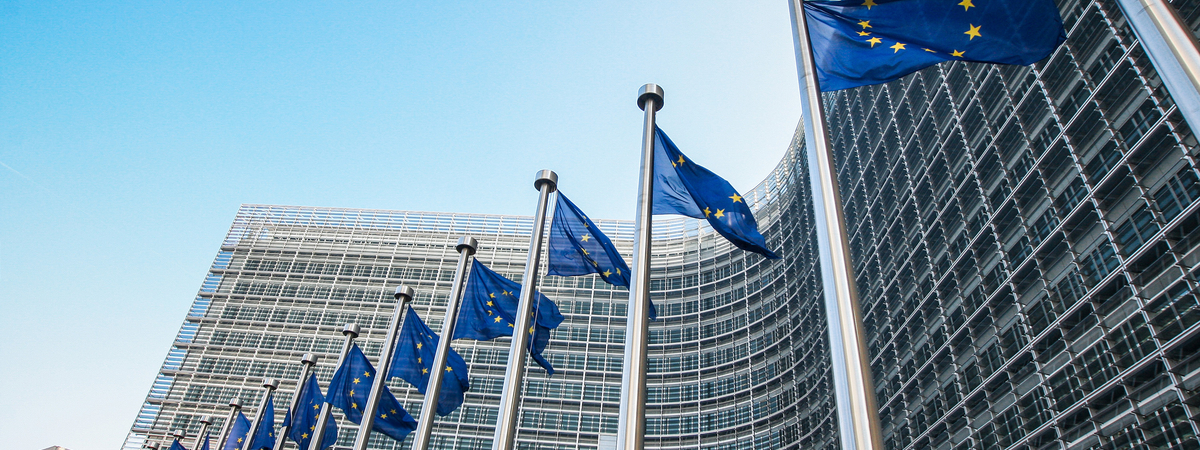
To secure the transparency required to fight money laundering and terrorism financing pursuant to the EU Anti-Money Laundering (AML) Directives, the Netherlands will now implement a public register of Ultimate Beneficial Owners (UBOs). On June 23, 2020, the Dutch Senate adopted the implementation act needed to create this UBO register.

The Act may…

…

On May 27, 2020, the European Commission put forward a proposal for the creation of a comprehensive recovery plan aimed at repairing the immediate economic and social damages caused by the Coronavirus Disease 2019 (COVID-19) pandemic and kickstarting the EU economy. The proposed plan, limited in duration and use, has its legal basis in Article

…

On 10 June 2020, the German government published its long-awaited national hydrogen agenda. Earlier, the Dutch government also published its own hydrogen agenda and the policy overlap is clear: as far as the Dutch and the Germans are concerned, hydrogen will play an important role in the future energy supply of Europe.

The Dutch government…

On 29 April 2020 the Netherlands Commercial Court (NCC) handed down a decision regarding a contractual break-up fee in an M&A transaction affected by the Coronavirus Disease 2019 (COVID-19) pandemic. Furthermore, on 14 May 2020 the preliminary relief judge of the District Court of Amsterdam also handed down a decision related to an M&A transaction…

(Read in English below.)

Introductie

Op 21 april 2020 heeft de Eerste Kamer het wetsvoorstel voor de Tijdelijke Wet COVID-19 Justitie en Veiligheid (de Spoedwet) aangenomen. De verwachting is dat de Spoedwet binnenkort in werking zal treden, waarschijnlijk al deze week.

De Spoedwet past een groot aantal wetten aan waarmee voorgeschreven procedures en termijnen…

Introduction

As many countries reach the second stage of the Coronavirus Disease 2019 (COVID-19) outbreak, privacy protections may be relaxed under certain circumstances. The European Data Protection Board (EDPB) issued a statement on the processing of personal data in this period of time, and several national data protection authorities have issued COVID-19 specific…

On 17 March 2020, the Dutch government announced that exceptional economic measures must be taken in relation to the Coronavirus Disease (COVID-19) crisis. Part of the measures entail the withdrawal of the Reduction of Working Hours Scheme (werktijdverkortingsregeling). Under the Reduction of Working Hours Scheme, it was possible for employers to apply for…

Welcome to the third issue of Greenberg Traurig’s LIBOR Transition Newsletter, where we provide updates, analysis, and occasional commentary on the latest developments relating to the highly anticipated phasing-out of LIBOR at the end of 2021 – less than two years from now. This issue covers the following:

  • ARRC Releases a Consultation on Potential Spread

…

The rapidly changing retail market has not yet created a new reality. The preference for online shopping and the increasing costs of wages and production continue to threaten the margins of retailers and, indirectly, rent prices. As a result, rent for retail space has been dropping for six consecutive years. Due to the increased costs of wages and production, more bankruptcies may follow the ones we have seen already in the Netherlands, and more retailers may decide to stop operating their shops to minimize losses.

In this blog post, we will focus on the obligation to operate retail space and recent verdicts relating to interoperating retail space contracts.
Continue Reading Obligation to Operate: Retail Contracts in the Netherlands