On 26 Feb 2025, the EU unveiled the Omnibus Package to ease compliance with key ESG laws, including CSRD and CS3D, aiming to reduce administrative burdens by 25% overall and 35% for SMEs. Inspired by the Draghi report on competitiveness, the Proposal focuses on streamlining regulations for businesses.
Continue Reading EU Omnibus Package: Proposed Changes to Reduce ESG Compliance Burdens for Businesses
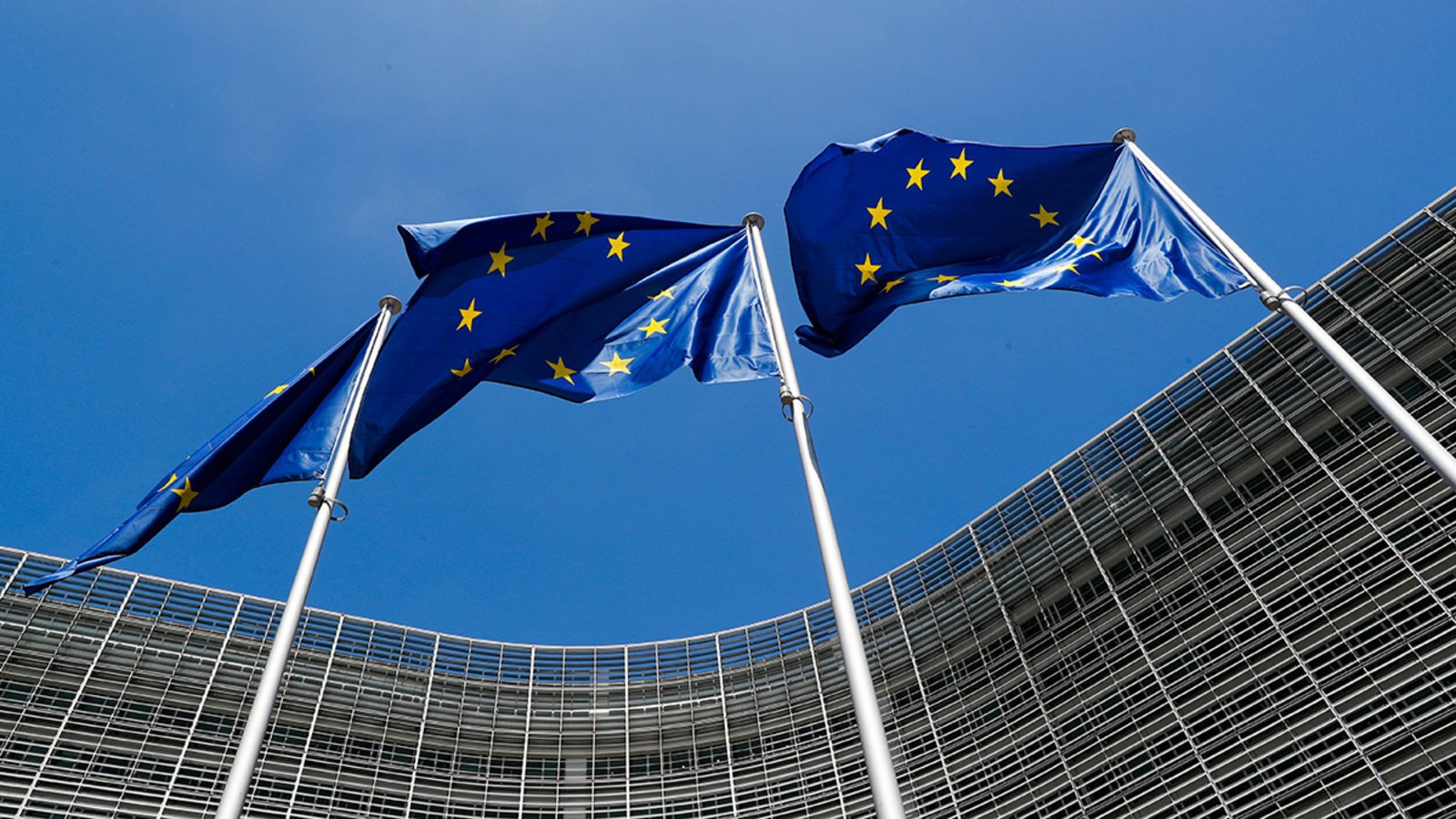

Companies often point out that there is a tension between sustainability and antitrust/competition. They argue that European Union (EU) – and EU Member States’ national – competition rules hamper competitor cooperation and innovation regarding sustainability because such rules prohibit arrangements that companies believe are necessary.

On June 1, 2023, the European Commission (…

“Green bonds”[1] have seen a steady increase in recent years, with over $500 billion in green bonds issued in 2022. However, there is some debate over whether all of these bonds were issued for activities that were in fact “green”.

To prevent “greenwashing”,[2] the EU Commission proposed a new regulation that creates standards…

The European Parliament (Parliament) enacted significant change to the proposed European Union (EU) Regulation for a Carbon Border Adjustment Mechanism (CBAM) in June 2022, as reported in an earlier GT Alert.

CBAM would require companies importing cement, electricity, fertilizers, iron, steel, aluminum, and other materials into the EU to pay a carbon adjustment at…

The Dutch Real Estate Council of the Netherlands (ROZ) adopted a new template lease agreement for retail space leasing at the end of 2022, updating the 2012 version. Several aspects were amended, including various clauses relating to green leases and sustainability.

Lease agreements in the Netherlands often are based on one of the templates drawn…

EU law requires certain large companies to disclose non-financial information on the way they operate and manage social and environmental challenges. The current disclosure regime was introduced in 2014 by Directive 2014/95/EU. Recently, the European Commission conducted a review of the NFRD rules, which showed strong support for mandatory sustainability reporting standards but also highlighted…

Environmental risks are often difficult to quantify and liabilities can be substantial. In addition, there is the risk of regulatory action in the event of a violation of environmental law. These violations generally also qualify as a criminal offence under Dutch law. This Practice Note considers the environmental risks that can arise in corporate transactions…

There is a global trend to move capital to more sustainable economic activities. To ensure that capital is moved to the desired activities, several questions arise:

  • What is sustainable?
  • How is “greenwashing” prevented?
  • How is materiality of environmental, social, and corporate governance (ESG) issues determined?
  • Who must disclose and how?

Continue reading the full GT

On March 10, 2021, “Regulation (EU) 2019/2088 of the European Parliament and of the Council of November 27, 2019 on sustainability‐related disclosures in the financial services sector” (as amended and supplemented by the Taxonomy Regulation ((EU) 2020/852, June 18, 2020 on the establishment of a framework to facilitate sustainable investment) (the SFDR) entered…